

Yellow Sticky Traps for Plants: 20 Dual-Sided Butterfly & Flower Traps with Accessories
The non-toxic way to catch fungus gnats, fruit flies and whiteflies in your houseplants, kitchen and greenhouse. Peel, place and let the bright yellow do the work.
- Sticky on both sides
- No pesticides or scent
- Indoor and outdoor
- Designed in Alberta
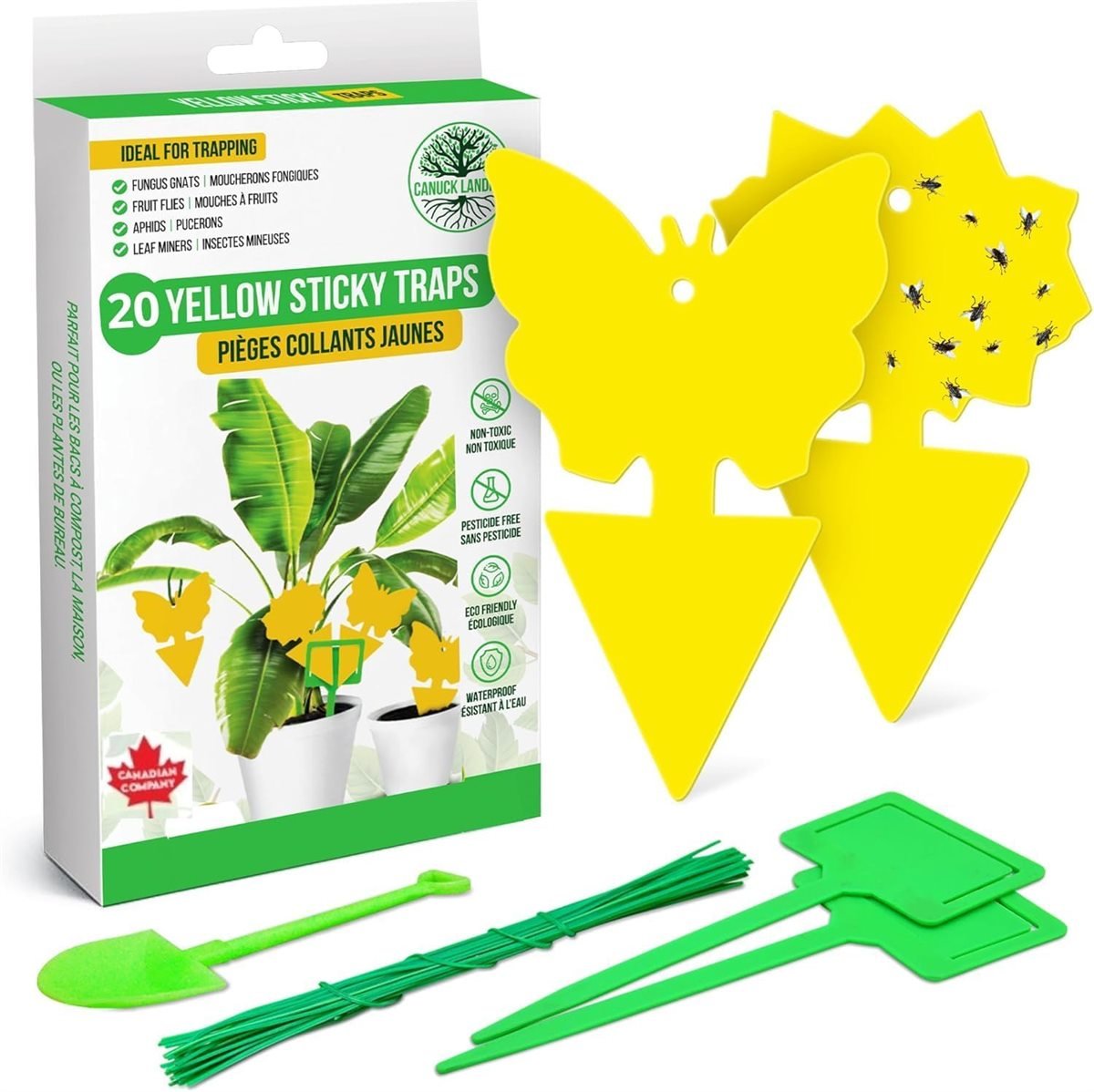
What's in the Box
Everything you need to set up traps around your home, right out of the pack.
| Item | Qty | What it's for |
|---|---|---|
| Dual-sided yellow sticky traps (butterfly and flower shapes) | 20 | Catching flying pests from both sides |
| Twist ties | Included | Hanging traps from branches, shelves or greenhouse wire |
| Plant stakes | 2 | Raising traps above leaves on taller plants |
| Mini shovel | 1 | Loosening soil without damaging delicate roots |
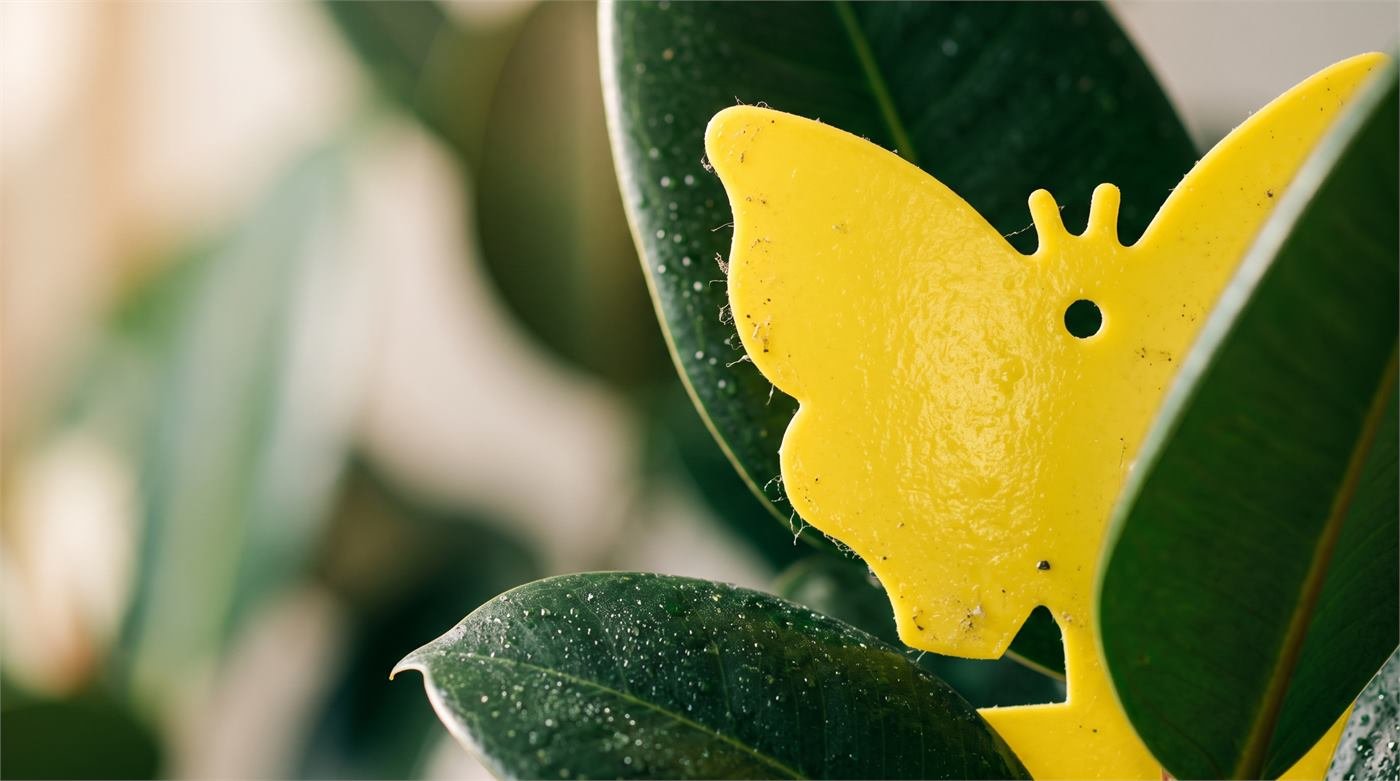
Why Yellow Works
Many small flying insects are naturally drawn to bright yellow. To them it signals fresh, healthy growth. When they fly in to land, the adhesive holds them in place. Catching adults stops them from laying the next generation of eggs in your soil, so the population drops week by week. No bait, lure or chemical is needed.
Four Ways to Use Your Traps
- 01Straight into the soil.Push the pointed, non-sticky end into the pot about 2 to 3 cm from the stem. Can be used for all plant sizes.
- 02Up on a stake.Slide one or two traps onto a stake and position it higher on the plant. Best for taller plants.
- 03Hanging with a tie.Thread a twist tie through the hole and hang it from a branch, shelf bracket or greenhouse wire. Best for tall plants, grow towers and greenhouses.
- 04The fruit fly cup.Pour 4 cm (1.5 in) of apple cider vinegar into a clear glass and stand the trap inside, point down. Place it beside the fruit bowl or compost bin to see results in 24 to 48 hours. The vinegar attracts the flies and the trap catches them.
Built to Keep Working
What These Traps Catch
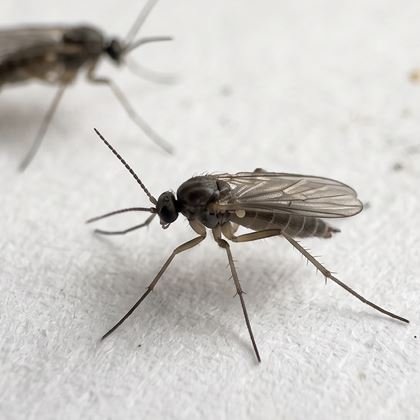
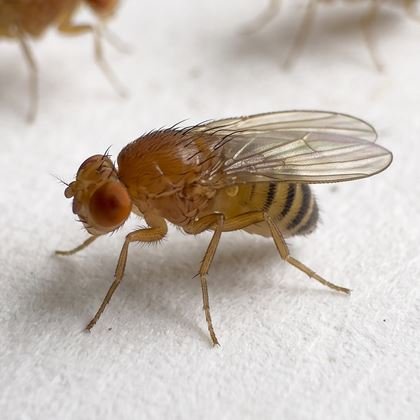
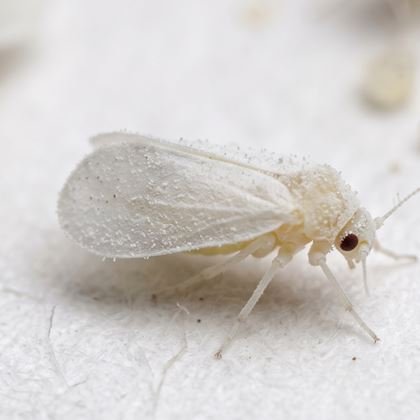
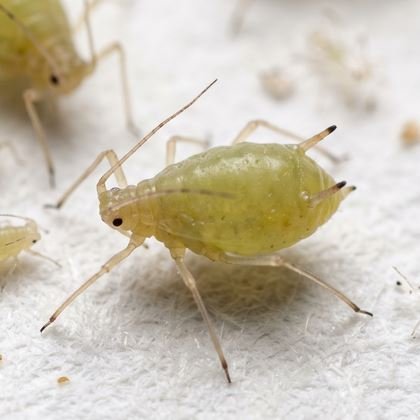
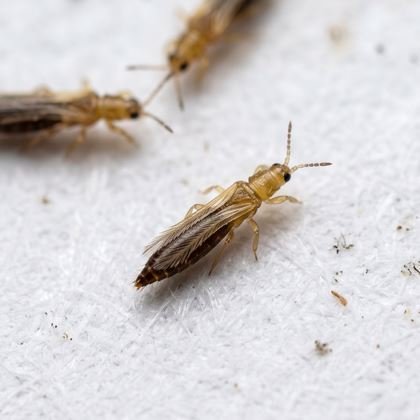
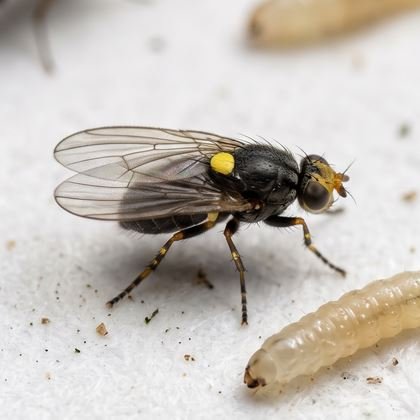
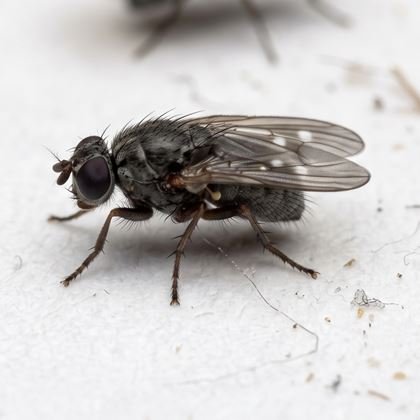
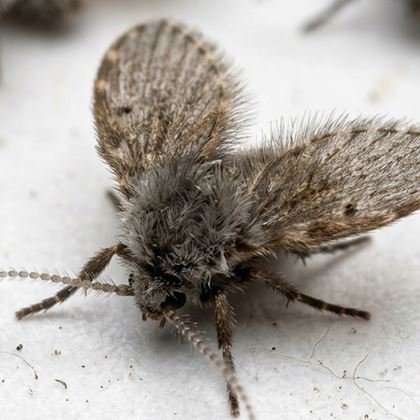
Not sure which pest you have? Read our guide: How to spot early signs of garden pests →
Where to Use Them
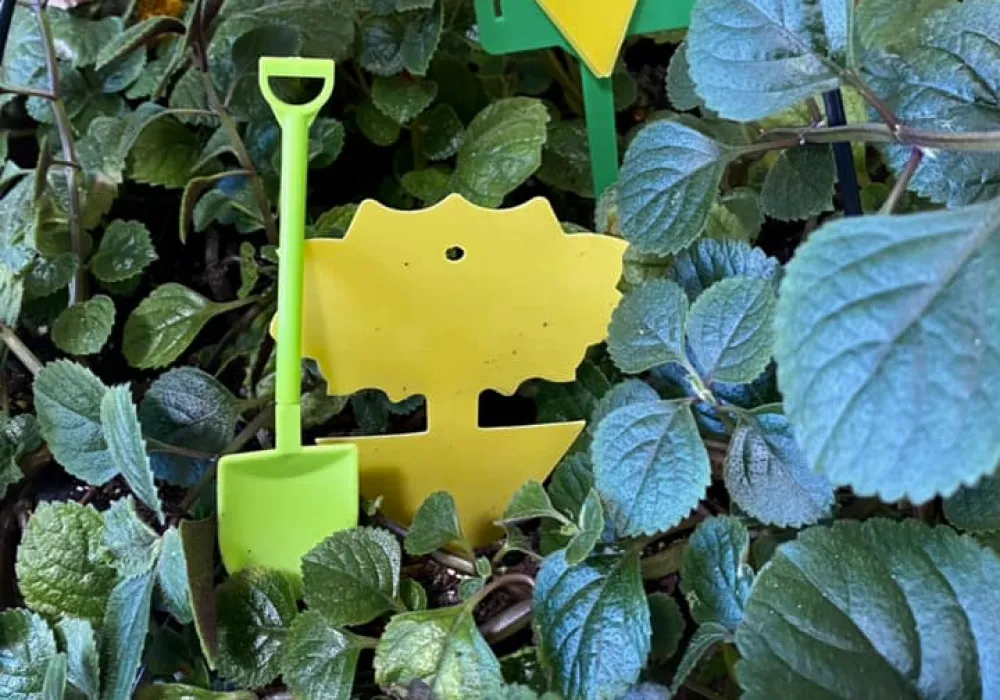
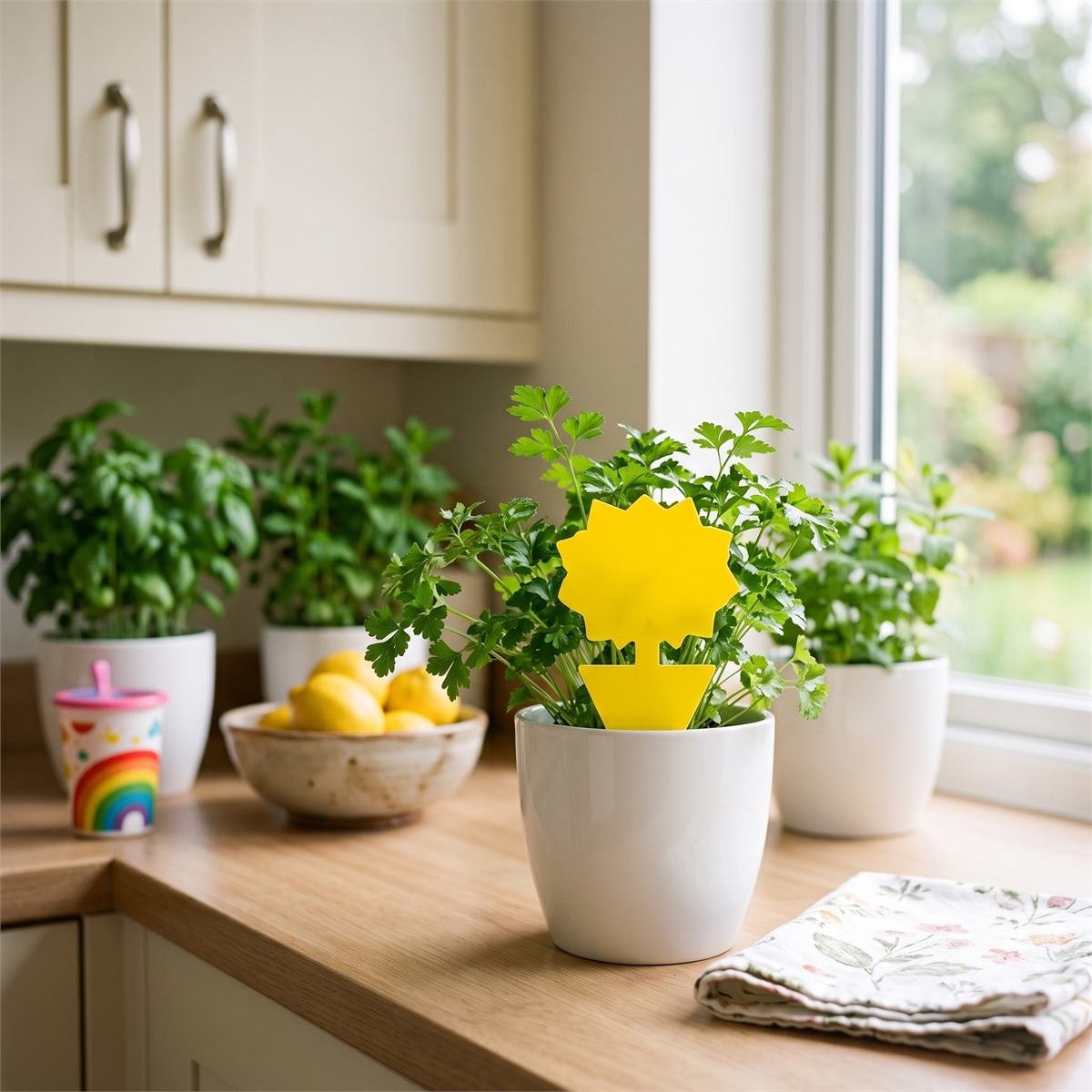
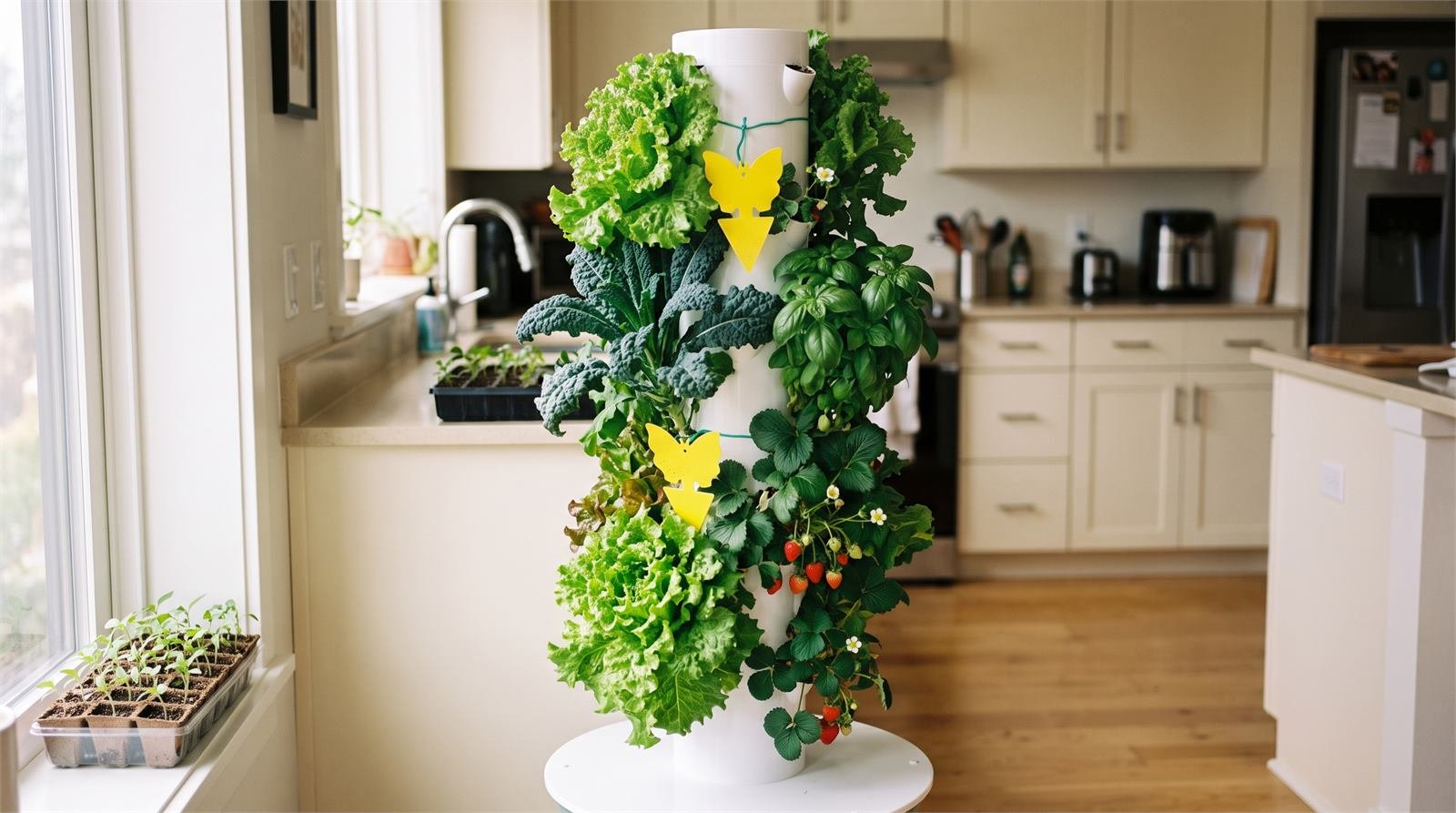
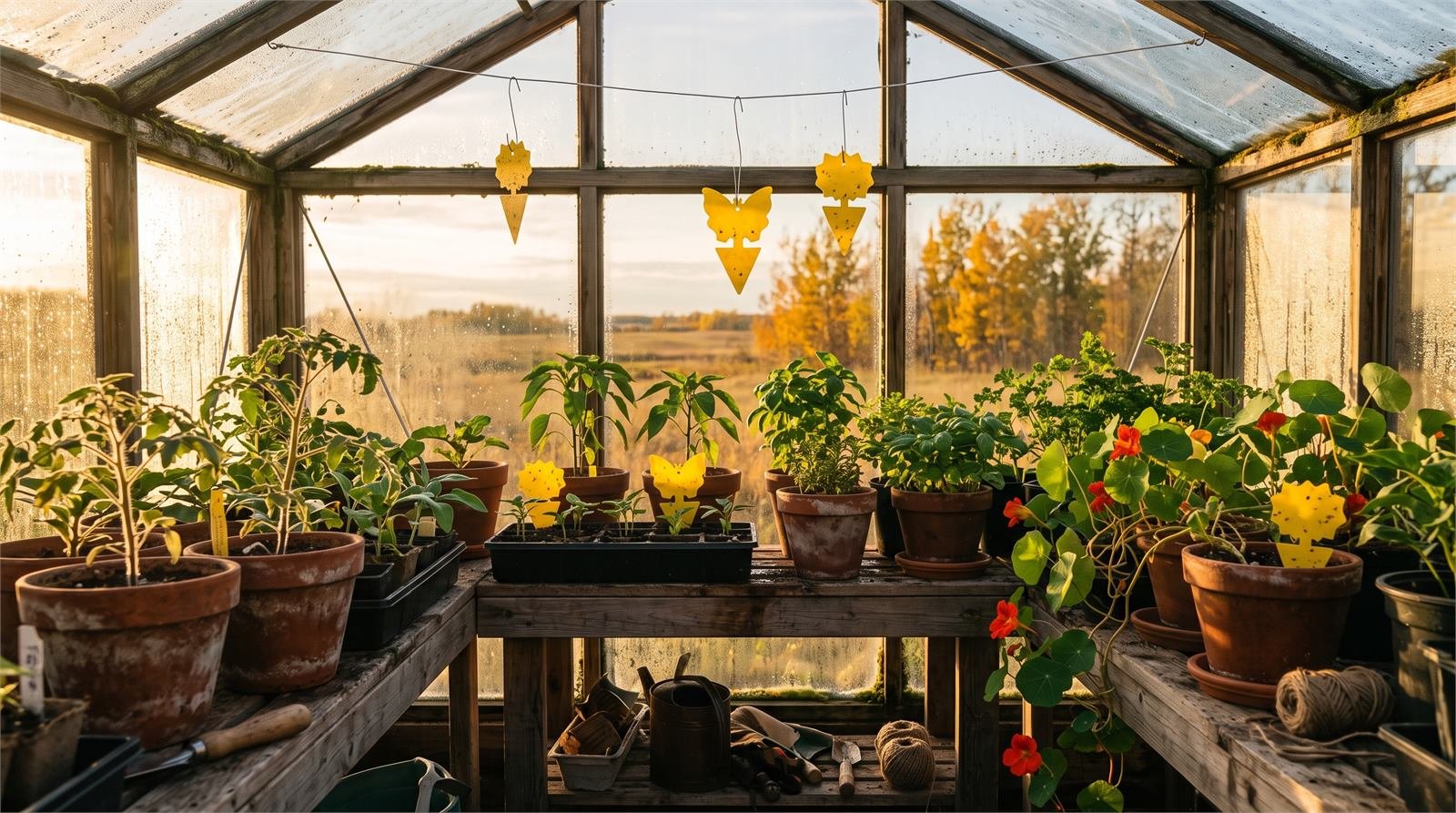
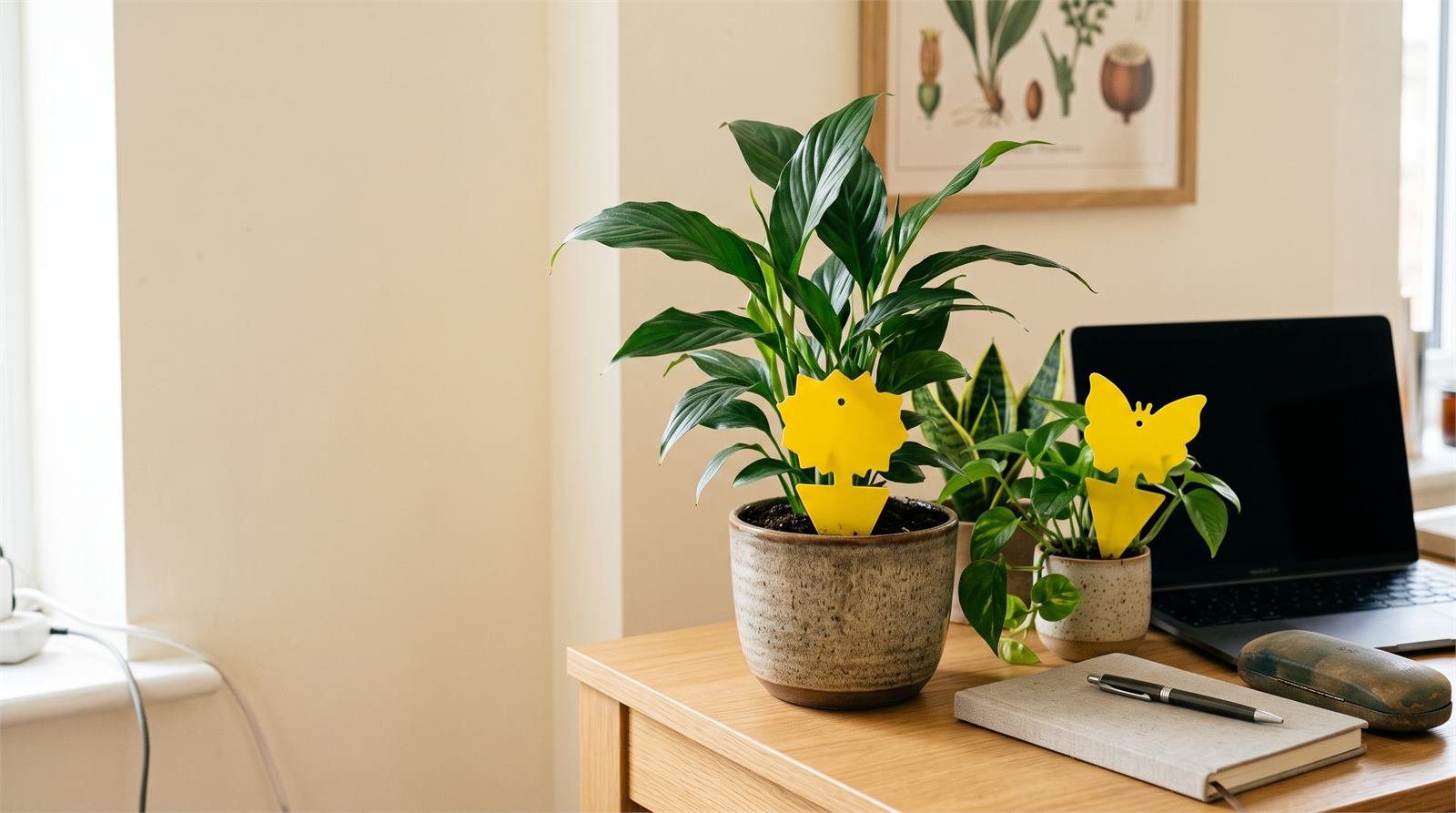
Tips for the Best Results
- Use 1 trap per small to medium pot, 2 for large pots or heavy infestations.
- Place traps at the height where you see pests flying, usually just above the soil.
- Let the top 2 to 3 cm of soil dry between waterings. Gnat larvae need damp soil to survive.
- Check traps every 2 weeks and replace them when the surface is covered.
- Outdoors, place traps under a shield or inside a covered bed so birds and pollinators stay safe.
- Keep traps out of reach of children and pets.
What Canadians Are Saying
See all reviews on Amazon.ca ↗“Canuck Landing's sticky traps are a game-changer for my kitchen and grow tower! No more fruit flies and my plants are thriving.”
“These are such a simple concept and work great. All the little flies get stuck in them.”
“I placed one butterfly trap in a ¼ cup of apple cider vinegar and I got rid of my fruit flies in 24 hours.”
Common Questions
See all FAQs →How fast will I see results?
Most customers see gnats on the trap within the first day or two. Larger infestations take 2 to 3 weeks to clear as new adults hatch.
Are they safe for pets and children?
They contain no pesticides or scent. They are still sticky and a potential choking hazard if chewed, so place them where pets and children can't reach them.
Can I use them outside?
Yes, in greenhouses, covered beds or patios. Outdoors, shield the traps so birds and pollinators stay safe.
Can I cut them smaller?
Yes. Scissors work well for tiny pots and seed trays.
How do I dispose of them?
Fold the trap in half, sticky sides together, and put it in household garbage.
Ready to Stop the Gnats?
20 traps, stakes, ties and a mini shovel, from Amazon.ca or Walmart.ca.